
By James D. White and Krista White
November 13, 2025
We are now experiencing the most multi-generational workplace of all time – with four and even five generations regularly working together on one team. The sociocultural differences between these age groups, coupled with the ever-increasingly complex challenges in the corporate landscape, can lead to friction, bulk, and inefficient collaboration.
These struggles are all too familiar for project management professionals attending International Project Management Day 2025. Like we say in our keynote address, available to stream through February 8, 2026, your culture, strategy, and work systems must be purposefully designed and aligned to enable growth.
While you might wonder what culture has to do with implementing rapidly advancing technology, we describe culture as the operating system that either powers or paralyzes transformation. Without culture, your AI strategy is just automation without alignment.
Many workers, from project managers to designers to cashiers, are worried they will be automated out of a job. This fear is not new—it goes back to the industrial revolution—but it is a relevant concern in an age of rapid automation through AI and machine learning. It would be disingenuous to say all jobs will remain the same; many people will need to be reskilled. Many jobs will be transformed or eliminated completely.
But the proliferation of these tools should have the potential to bring out what’s best about being human, by automating, streamlining, or eliminating “robotic” tasks. Don’t you feel so much more “you” meeting with clients or leading a product team than trying to get your Excel tracker to spit out the right data? The difference between AI that creates efficiency for efficiency’s sake and AI that makes business better for all >is aligning a thoughtfully designed culture with your strategy and systems.
For project managers to get the most human-centered benefits from AI tools, they must urge leaders from the top down to refocus on purpose and values–the “why” behind your strategic goals. What are the tasks that are better done by a person? Who on your team is feeling bored and stalled? Which mid-level managers feel like they don’t have the tools to succeed, or are choked by institutional distrust, hanging on to siloes for dear life?
Adapting to an AI-first world requires leaders to restructure how they think about those roles in the first place, which become more efficient through the replacement of mundane tasks with more creative and analytical tasks. Human-centered AI also reduces the barrier to entry for junior-level workers, softening learning curves and reducing the need for specialization in certain areas. Project managers should use their cross-functional knowledge and systems expertise to lead the way to an AI-first transformation that is grounded in the realities of the organization–and the needs of the people that make it run.
If you’ve ever had to onboard using a new team dashboard, you know all too well that tech itself isn’t what fixes friction, it’s how it’s used and implemented. Instead of slapping new systems on top of existing processes and hoping they improve outcomes, we recommend using the future-back method to determine where you need to end up, and what roles and core capabilities you need to get there.
Creating your AI-enabled strategy will allow you to work backward and define the kind of culture required for success. Depending on your industry, you will typically want to pick a time five to ten years from now. It should be far enough away to stretch your mindset, but not so far in the future that it becomes too abstract.
The future-back method brings the actionable strategic details together with big moonshot goals. This has the benefit of making these visions feel more tangible for the stakeholders you need on board.
Many of you are already skilled in using automation in your roles – how can your current processes be a model for other departments? For cascading a high-performing culture throughout the organization? Once you understand where the gaps and opportunities are, you can begin to construct your vision for the future.
Depending on your role and level, this could be for your team or department or a larger cross-functional swath of the organization. Think about where you can grow your current capabilities, where you can find new opportunities in your current operational model, and where there are new horizons to explore.
This will allow you to understand the kind of culture you need to build to reach those goals, and what actions, habits, rituals, and beliefs will be necessary to achieve your vision. Decide which tasks AI will do that will free humans to do the specialized, creative, and analytical work that is fulfilling, meaningful, and will propel us through the next decade and beyond.
AI, machine learning, LLMs, and other tools for automation can exponentially accelerate the iterative processes already so common in many industries. When time and resources are tight, quickly find which innovations work—and which don’t—can make or break the success of an organization.
AI is at its best when it hums in the background: when leaders aren’t so bogged down by repetitive or tedious work that they can actually invest in leading and coaching their teams, when employees are motivated because they see a path to developing. When your organization feels like it’s run by people, it has the best shot for growth and resilience—for years to come.

James D. White is a transformational leader with over thirty years’ experience as a CEO and operating executive in the consumer products, retail, and restaurant industries. He also brings two decades of service as a corporate director and adviser, having served on more than 15 public and private boards.
James currently serves as Board Chair of The Honest Company, among other board roles. As Chair, President, and CEO of Jamba Juice from 2008–2016, he led the successful transformation from a made-to-order smoothie shop to a global healthy-lifestyle brand. His leadership experience includes senior roles at Safeway, Gillette, and Nestle Purina PetCare.
In 2020, James founded Culture Design Lab, a firm that coaches and trains CEOs, boards, and executives to operationalize his DEI playbook. His work is regularly featured in Harvard Business Review, The Mentor, Shark Tank, The Wall Street Journal, The San Francisco Chronicle, Savoy, and Black Enterprise.

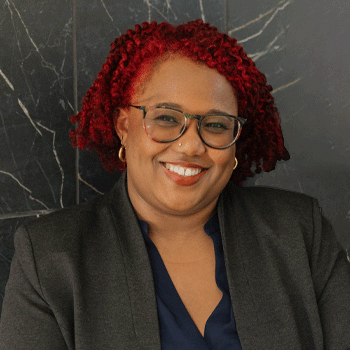
Krista White is a multi-genre non-fiction author and fiction writer. As a co-founder of Culture Design Lab, her work focuses on research, in-depth interviews, and harnessing her writing and storytelling skills to craft powerful narratives. She collaborates with the team to weave their incredible combined experiences into digestible communications, reports, and publications for Culture Design Lab’s clients.
In addition, Krista consults with individuals and companies on their strategies for intentional culture design, inclusion, and racial justice. She is also the founder and CEO of Kiki for the Future, a platform for LGBTQIA+ sex education, and recently graduated with her MFA in Creative Writing (Fiction) at Sarah Lawrence College. All of her work ultimately centers around her values of liberation, connection, and joy.